Comparison · Sabah vs Sarawak
Sepilok or Semenggoh: which orangutan centre?
Malaysia has two great places to watch rehabilitated orangutans return to the forest, one on each side of Borneo. Sepilok is in Sabah, twenty minutes from Sandakan; Semenggoh is in Sarawak, half an hour from Kuching. Both are genuine rehabilitation programmes, both feed twice a day, and neither guarantees a sighting — which is the proof they're doing it right. Yes, we're sepilok.com.my, so read what follows knowing where we live. We'll still tell you when Semenggoh wins.
Updated August 2026 · fees, hours and feeding times checked for both centresThe short answer
Choose by geography, not by centre
Here is the conclusion up front: the two centres are more alike than different, and flying across Borneo specifically to swap one for the other is never worth it. If your trip is built around Kuching and Sarawak, go to Semenggoh and be happy. If your trip is built around Sabah — the Kinabatangan, the islands, Danum — Sepilok is on your way and does more with your day. The real comparison isn't the feeding platforms; it's everything around them.
Doing both? Plenty of two-week Borneo routes visit Kuching and Sandakan. Both tickets together cost less than RM45 — see both, compare notes, and you'll find the orangutans obligingly indifferent to the rivalry.
Side by side
The scorecard
Where each one wins
Credit where it's due, both directions
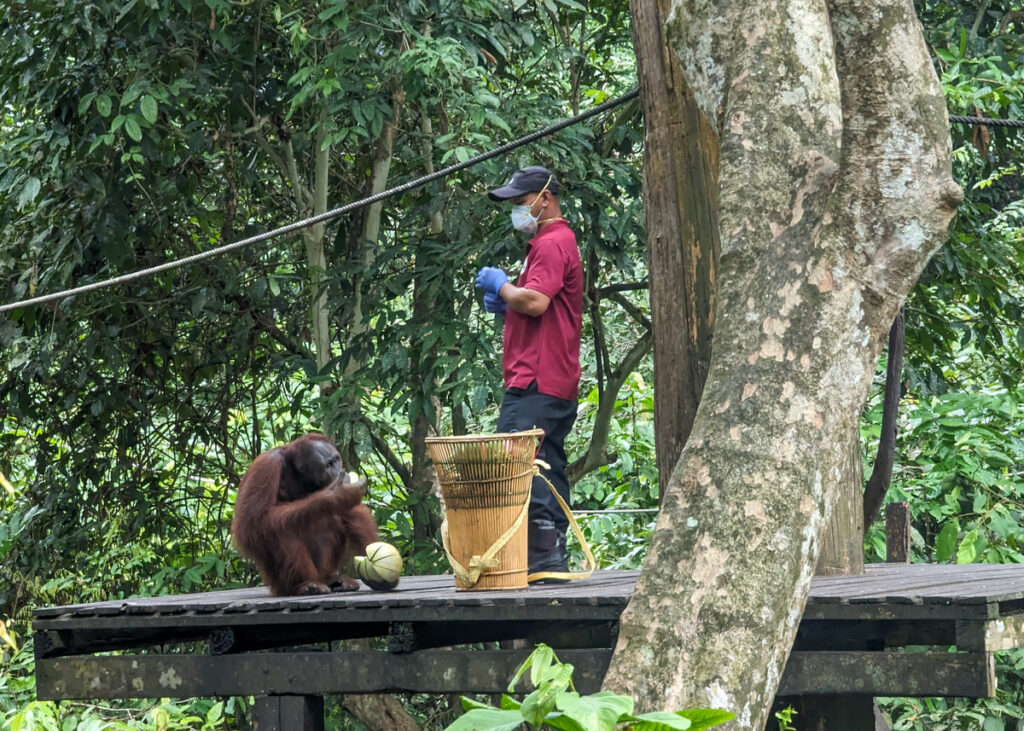
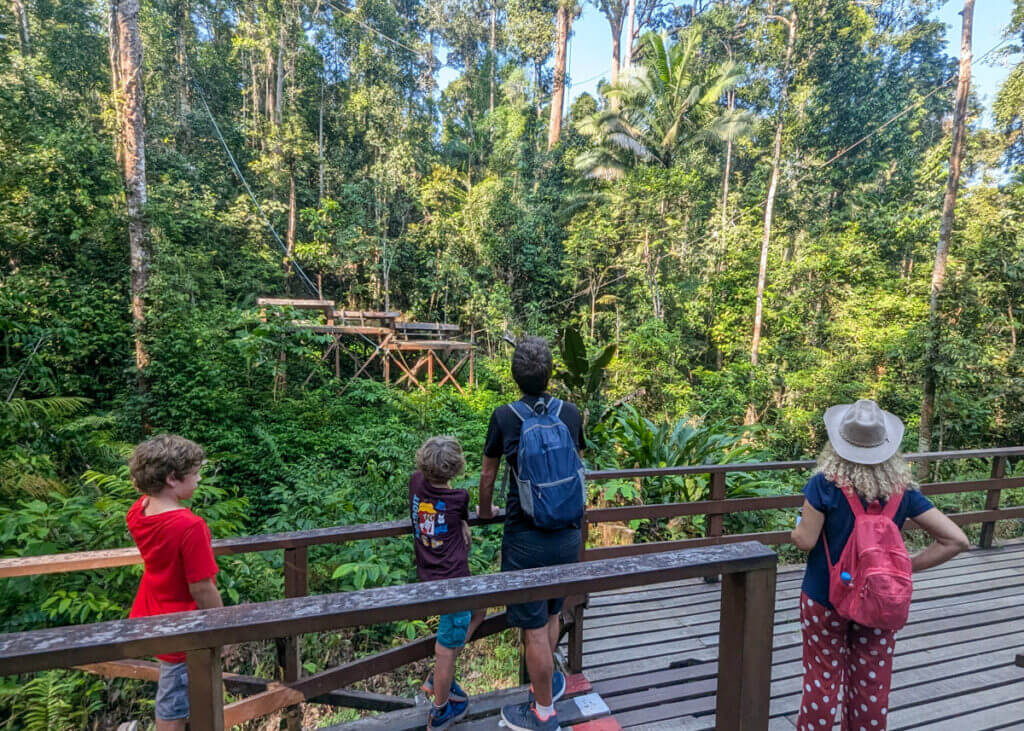
Semenggoh wins on: price, by a factor of three. Atmosphere at the feeding itself — the spread-out clearing and the walk in feel wilder than Sepilok's boardwalk-and-platform. Ease as a half-day trip from a city you'd want to visit anyway; Kuching is arguably Borneo's most likeable town. And in season, sheer numbers — on a good fruiting-year morning, a dozen or more animals can turn up.
Sepilok wins on: the outdoor nursery, where young orangutans practise on ropes through the day — the closest, most reliable viewing in Malaysia and the thing first-time visitors remember. The day around it: sun bears across the road, the RDC canopy walkway and night walk, and lodges in the reserve so you're at the gate at opening. And the onward move — the Kinabatangan is two hours away, which turns one feeding into a three-day wildlife circuit no Kuching itinerary can match without a flight.
Neither wins on guarantees: both centres feed less-dependent animals that increasingly ignore the platform, and both will cheerfully let you leave without a sighting. That's rehabilitation working. If a guaranteed orangutan is the requirement, what you want is a zoo, and Borneo will politely disagree with you. See the honest odds across the Sabah circuit for how the two compare. And since we run tours to Sepilok and not Semenggoh, judge our framing accordingly — see how to judge any wildlife centre's ethics.
Sepilok vs Semenggoh FAQ
The questions people actually ask
Which has better odds of seeing orangutans?
Broadly similar at the feedings, and both drop when the forest fruits. Sepilok's tiebreaker is the outdoor nursery, where young animals are visible through the day regardless of what the platform delivers. Semenggoh's best season is roughly April to November.
Is it worth visiting both?
On a trip already covering Sarawak and Sabah — yes, they're different enough to enjoy twice and cheap enough not to agonise over. As a deliberate double? No. Spend the saved flight on a night on the Kinabatangan or at Bako instead.
Which is better with children?
Sepilok, mostly: the nursery's air-conditioned viewing room, shorter walks, and the sun bears next door build a fuller child-sized day — details in the family guide. Semenggoh's 20-minute walk in (or RM15 buggy) and closed midday hours need slightly more planning with small kids, though the feeding itself delights all ages.
What about Matang or other centres?
Matang Wildlife Centre near Kuching does hard, unglamorous rescue work with limited resources, and visiting is a different, more sobering experience than either Sepilok or Semenggoh. Support it if you're moved to; just arrive with adjusted expectations.
Semenggoh's hours confuse me — when can I actually go?
Two windows only: 08:00–10:00 and 14:00–16:00, feeding about an hour into each. The centre closes in between and you can't wait out the midday inside. Arrive by 08:30 or 14:30, and note the morning session is usually the busier and better one.