Comparison · Sabah's two great jungles
Kinabatangan or Danum Valley: density or wilderness?
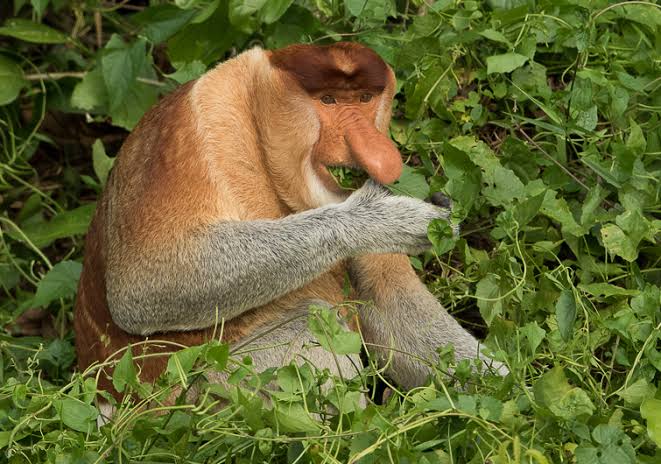
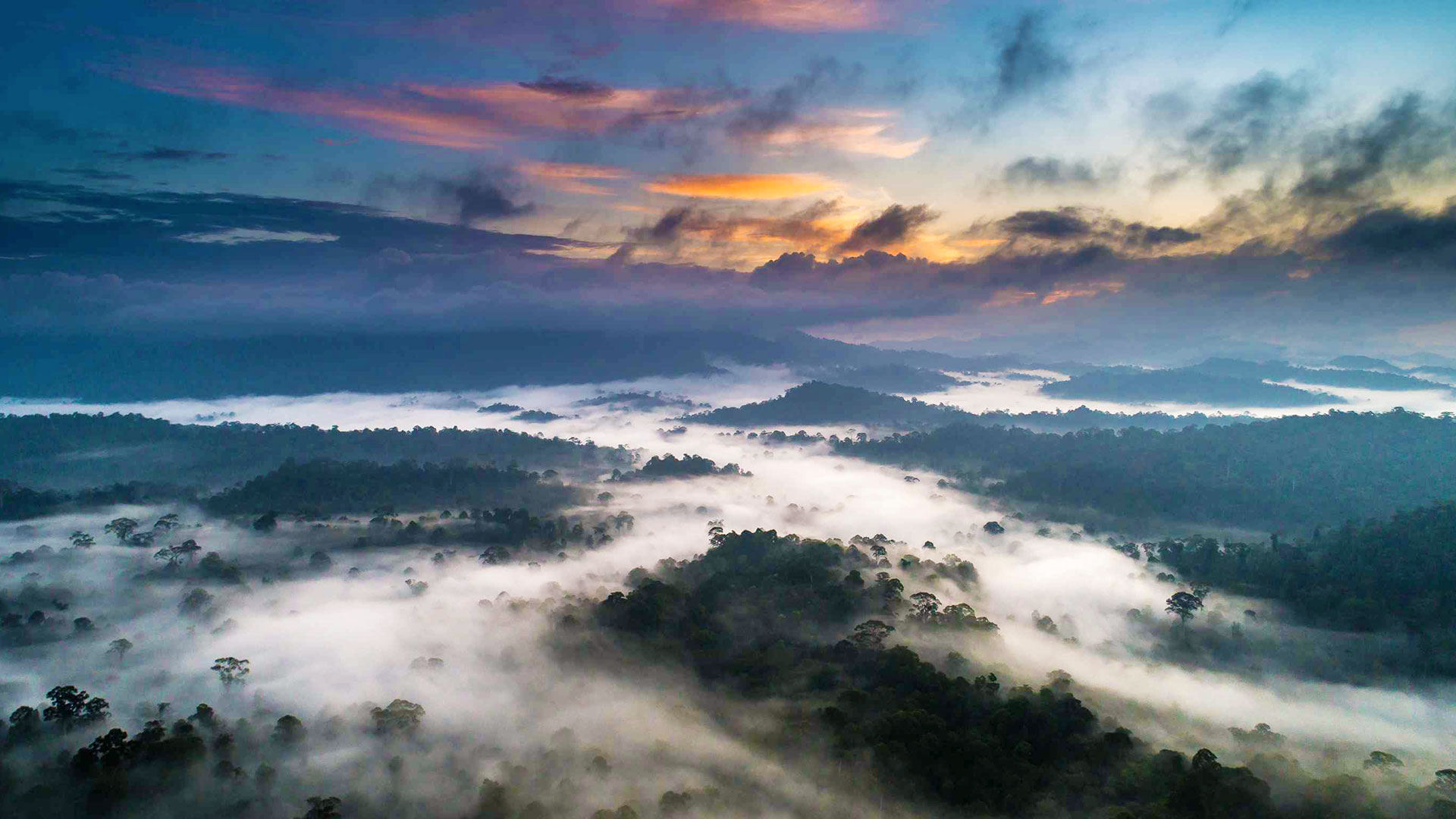
Sabah's two headline jungle experiences are routinely spoken of as rivals, which flatters neither: they're different products that happen to share orangutans. The Kinabatangan is wildlife density watched from a boat, with easy logistics and honest prices — and oil palm at the edge of the frame. Danum Valley is 438 square kilometres of protected primary rainforest where the animals are sparser, wilder, and yours alone when they appear — at several times the cost and effort. Here's the full comparison, and the one piece of sequencing advice that matters more than the choice.
Updated August 2026 · logistics checked; Danum rates vary — ask for currentThe short answer
First trip: the river. The itch that follows: Danum.
If this is your first Borneo trip, do the Kinabatangan. It delivers more animals per hour than anywhere on the island, it slots neatly beside Sepilok, and it costs a fraction of Danum. If you've done the river and found yourself wondering what the forest was like before the plantations — that wondering is the Danum itch, and there's only one treatment.
And if you have the days and the budget for both in one trip: river first, always. Danum recalibrates your sense of what forest is; done in the wrong order, it makes the river retroactively feel like a corridor. Which it is. That's the point of protecting it.
Side by side
The scorecard
Honest asterisks
What each side's brochures leave out
About the river: the density is partly an artefact of habitat loss — animals concentrated into a corridor because the hinterland is plantation. You'll share good sightings with other boats in peak season, and the forest at the banks is secondary regrowth in many stretches. None of this stops the Kinabatangan being the best-value wildlife experience in Malaysia; it just explains it.
About Danum: sparser really means sparser — you can walk a full sweating morning for two squirrels and a very good bird, and the price of the famous lodge buys exclusivity more than it buys extra animals. The Field Centre alternative is authentic in every sense, including the sense that involves cold showers and generator hours. And the leeches are not a rumour.
Both asterisks point the same way: expectations calibrated beat expectations sold. That's the whole editorial policy of this site, and our honest odds page exists for exactly this reason.
Kinabatangan vs Danum FAQ
The deciding questions
Which has better odds of wild orangutans?
Danum, meaningfully — it's genuine resident-population forest and sightings are regular, especially around the lodge trails. The river offers fair odds (roughly a third of two-night stays) with far less effort. If a wild orangutan is your one non-negotiable, Danum is the better bet; if it's a hoped-for bonus, the river's odds are respectable.
Can I do Danum on a budget?
Via the Danum Valley Field Centre — a working research station that accepts visitors with permits, basic rooms and self-arranged logistics. It's a fraction of the lodge's price and a genuinely different trip: scientists at dinner, generator hours, pack-in snacks. Arrangements take lead time; the full Danum guide covers both doors, or ask us and we'll tell you honestly whether it fits your dates.
Is Danum worth it if I've only got 5 days in Sabah?
Usually no — the Lahad Datu repositioning eats too much of a short trip. Five days does Sepilok + the river beautifully (the classic circuit); Danum belongs in a seven-day-plus plan like Route C, or a dedicated return.
What about Tabin instead of Danum?
Tabin Wildlife Reserve, also off Lahad Datu, sits between the two propositions: bigger than the river corridor, easier and cheaper than Danum, with mud volcanoes and solid mammal lists — but it's largely regenerating logged forest rather than Danum's primary cathedral. A fair compromise candidate; a different article's worth of detail.